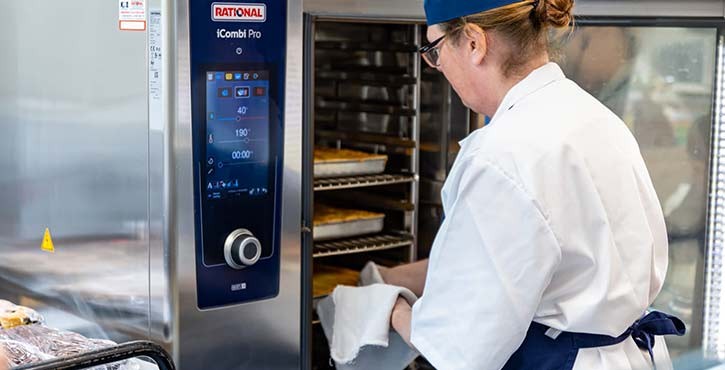
School cafeterias play a crucial role in helping to shape the dietary habits and overall health of students. As children spend a significant portion of their day at school, it is essential to ensure that the food provided in school cafeterias is nutritionally balanced and supports their growth and development. Maximising healthy nutrition in schools involves thoughtful planning, stakeholder collaboration, and a commitment to providing wholesome and appealing meals.
Key points of the strategy for improving nutrition in schools.

Farm-to-School Initiatives.
Integrating farm-to-school initiatives can provide fresh, locally sourced produce to school cafeterias. This not only supports local farmers but also ensures that students have access to seasonal, nutrient-dense foods. Farm-to-school healthy eating programs can be established through partnerships with local farmers and farmers' markets.
Creative Presentation and Variety.
Enhancing the visual appeal of healthy food options can make them more appealing to students. Creative presentation techniques, such as colourful salads, visually appealing fruit arrangements, and engaging food stations, can encourage students to choose nutritious options. Additionally, providing a variety of choices ensures that students have access to a balanced and diverse range of nutrients.
Mindful Portion Control.
Implementing mindful portion control is crucial to preventing overeating and promoting healthy weight management among students. Cafeteria staff can use standardised portion sizes and educate students about appropriate serving sizes to instil healthy eating habits from a young age.
Regular Menu Evaluation and Adjustment.
Periodic evaluation of the school cafeteria menu is essential to ensure that it continues to meet nutritional standards and aligns with evolving dietary guidelines. Feedback from students, parents, and nutrition experts should be considered when making adjustments to the menu to address changing nutritional needs and preferences.
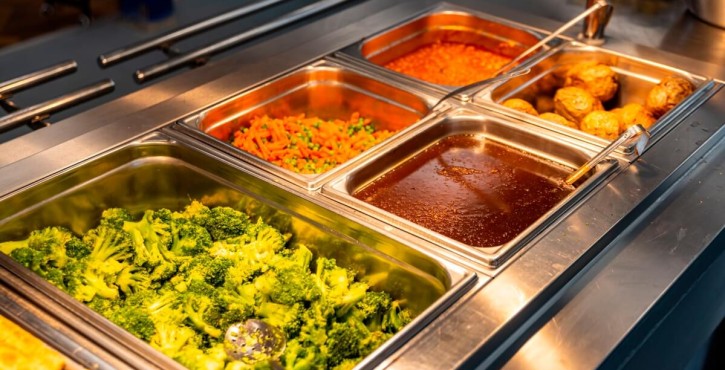
The impact of nutrition education in schools extends beyond the classroom and into the cafeteria. Healthy eating programs in schools work hand in hand with nutrition education to create an environment that supports and reinforces positive dietary habits.
Moreover, schools can foster a sense of ownership and involvement among students by incorporating them into the decision-making process. Encouraging students to provide input on menu choices and even involving them in cooking classes or school garden projects can instil a sense of responsibility for their own health and well-being.
How RATIONAL can help.
Nutrition education in schools has evolved beyond the chalkboard, transforming into dynamic programs that engage students with practical, hands-on experiences. The iCombi Pro seamlessly integrates into these initiatives, providing a versatile and safe platform for cooking demonstrations and interactive sessions. This not only imparts valuable culinary skills but also fosters a deeper appreciation for the connection between food choices and well-being.
Combi steamers become educational tools, illustrating the transformation of raw ingredients into wholesome meals. This hands-on experience creates a positive relationship between students and nutritious food.

- Preservation of Nutrients.
Traditional cooking methods, such as boiling or frying, can lead to losing essential vitamins and minerals. Combi steamers, by contrast, cook food gently with steam, ensuring that nutrients remain intact. - Reduced Fat Usage.
With the combi oven's capability to cook with steam and dry heat, there is a reduced need to rely on fats and oils to crisp up or cook particular products. By minimising added fats, school cafeterias can contribute to a lower intake of saturated fats among students, potentially reducing the risk of obesity and related health issues. - Enhanced Flavour and Texture.
The combination of steam and convection cooking in the iCombi Pro results in dishes that are moist, tender, and bursting with natural flavours. This makes it easier for school cafeterias to offer nutritious options that are not only healthy but also appealing to young palates. - Versatility in Menu Planning.
The versatility of combi ovens allows schools to diversify their menus and incorporate a broader range of nutrient-rich foods. From vegetables and grains to lean proteins, these appliances can handle various ingredients, making it easier for schools to meet the dietary needs of students with different preferences and dietary requirements. - Efficiency in Cooking Time.
The iCombi Pro streamlines the cooking process, reducing the time required to prepare meals. In a busy school cafeteria, this efficiency is invaluable. Faster cooking times not only contribute to better meal planning but also ensure that the nutritional quality of the ingredients is maintained.