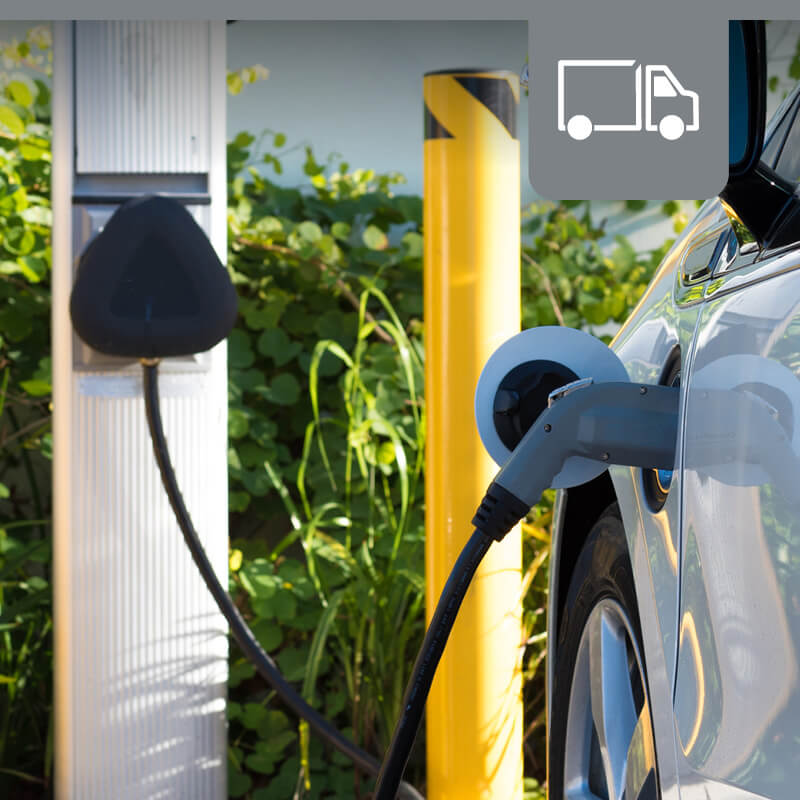
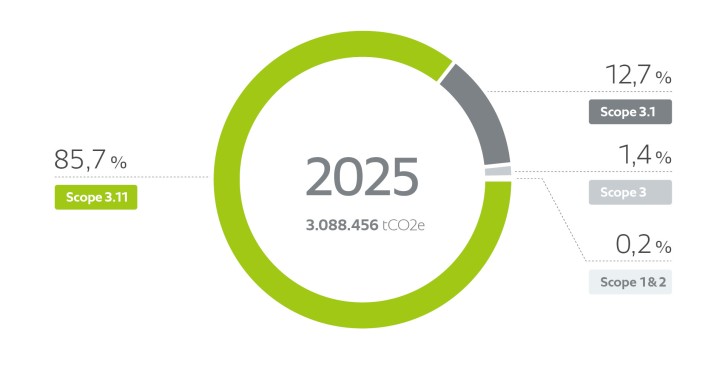
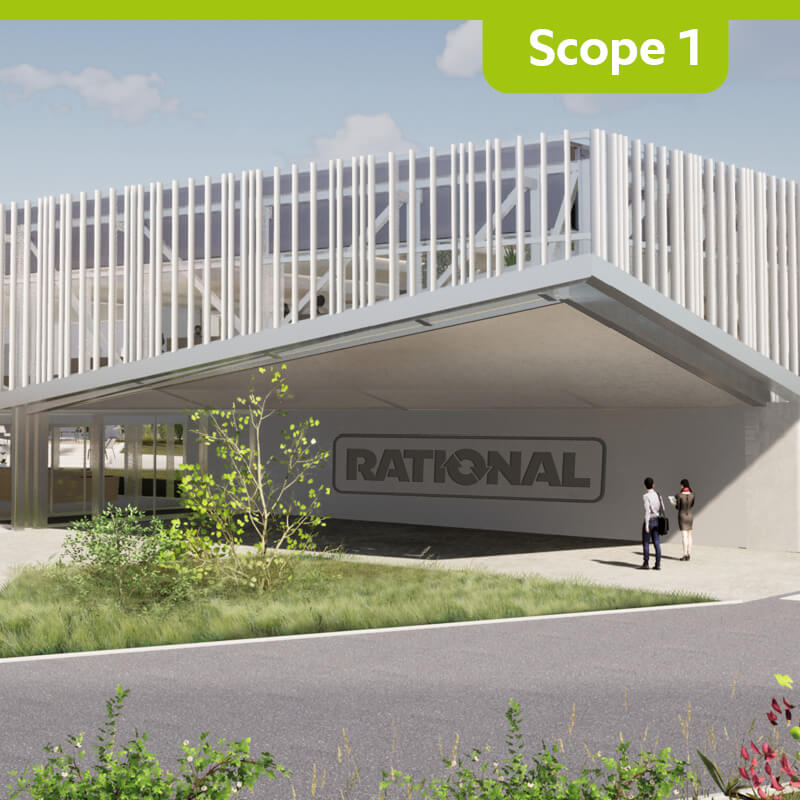
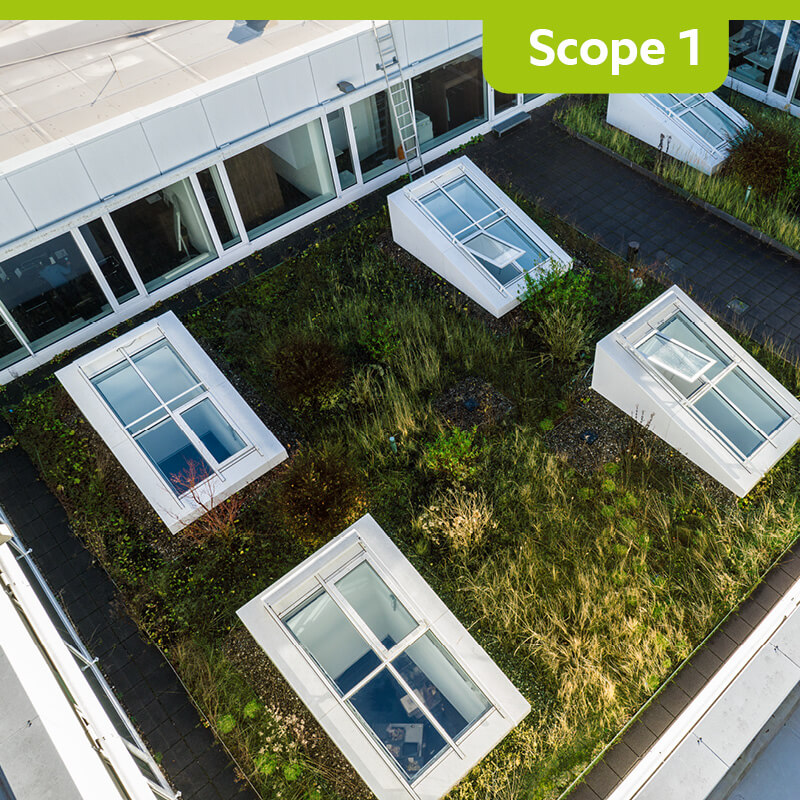
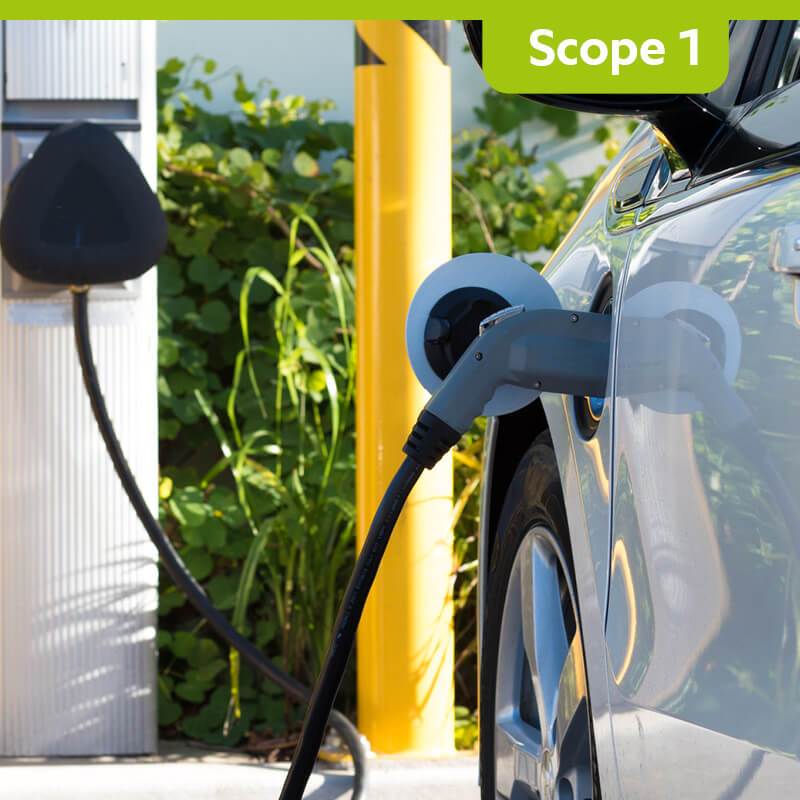
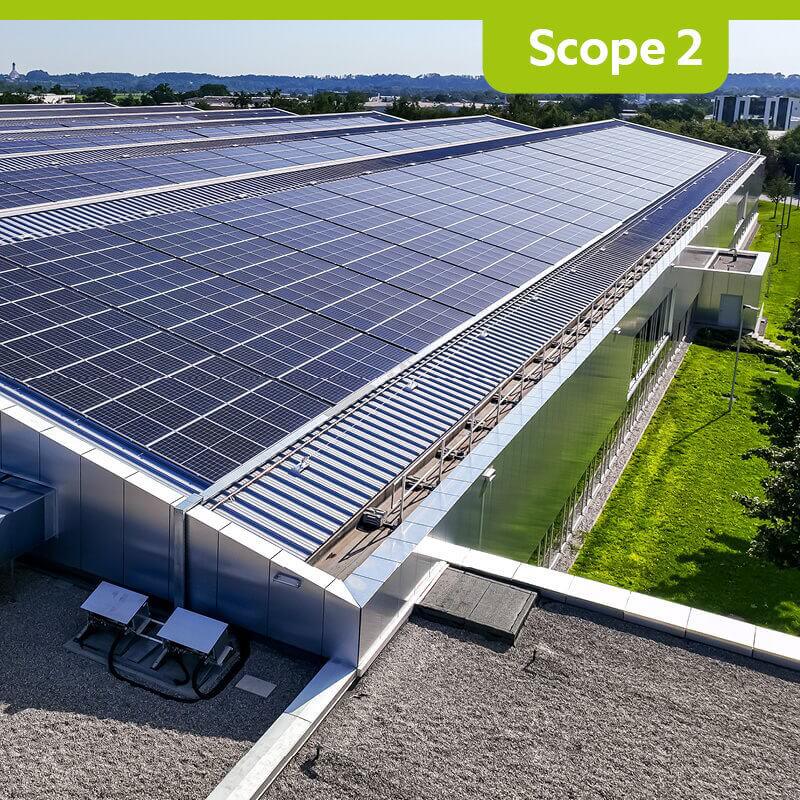
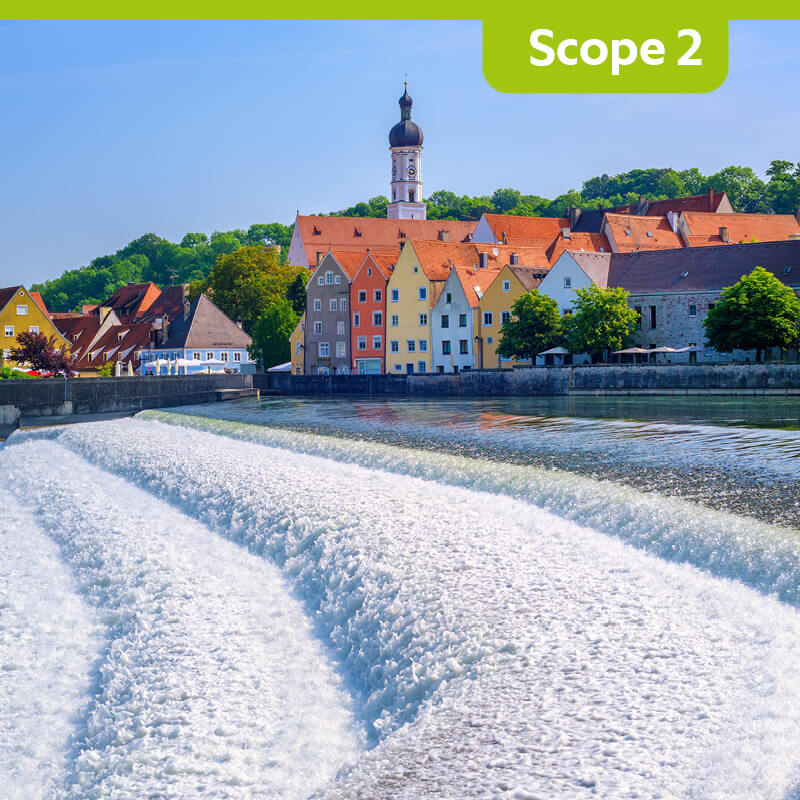
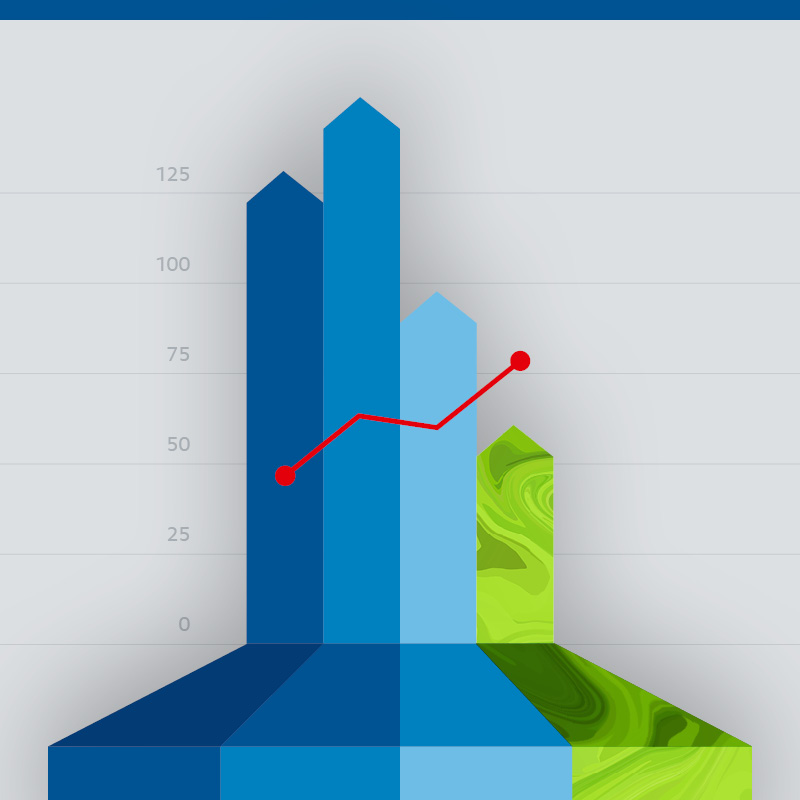
Scope 1 & 2: RATIONAL’s own operations
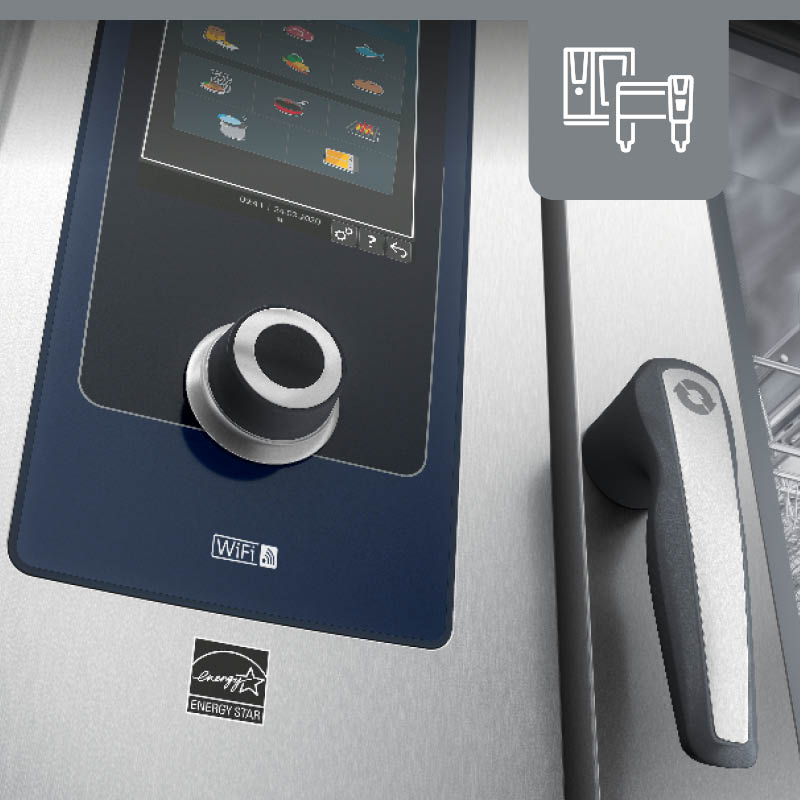
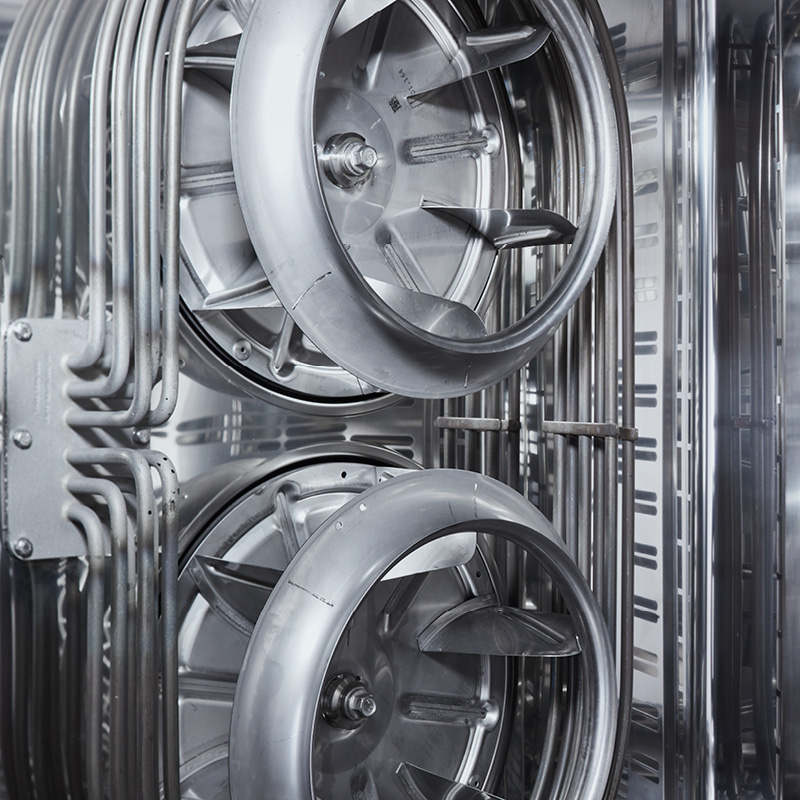
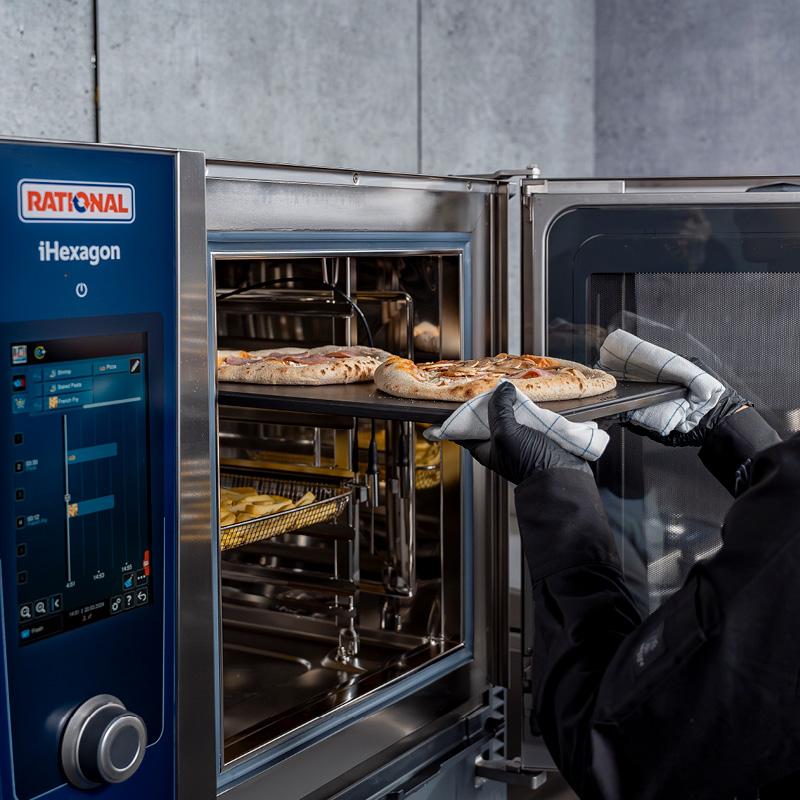
Scope 3.11: Use of RATIONAL products we have sold
Scope 3.1: Purchased goods and services
Scope 3 (other): Other emissions in our value chain
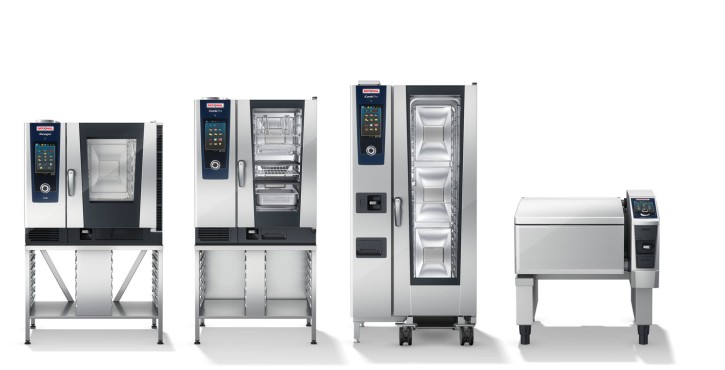
1. Cooking systems heat food. That's why they use a lot of energy. This energy consumption makes our CCF Scope 3.11 very large. We currently use a 12-year life cycle for the CCF calculation. This means that we assume the energy consumption of the cooking systems for one business over twelve years. The long service life further enhances the CCF Scope 3.11.
From an economic point of view, this service life is positive for our customers, but from an ecological point of view, the use of older RATIONAL cooking systems is not always ideal, because they consume more energy, water or are more polluting to the environment. We are working to better understand these influences so that we can make appropriate recommendations to our customers.
Our customers can reduce their CO2e footprint by switching from conventional cooking appliances to our cooking systems and using them efficiently (as demonstrated by a study carried out by the Weihenstephan-Triesdorf University of Applied Sciences ). The extent of the potential impact depends, amongst other things, on the use and type of energy employed. When using electricity from renewable sources, the potential savings may increase further.
2. Emissions from purchased goods and services for RATIONAL cooking systems are the second largest category. Close partnerships with our suppliers are therefore important.
3. Energy consumption in our operations, such as heating and cooling, electricity, gas at our production sites and fuel for our global fleet, is allocated to Scopes 1 and 2. Although their contribution is smaller, we are continuously striving to minimise them even further.