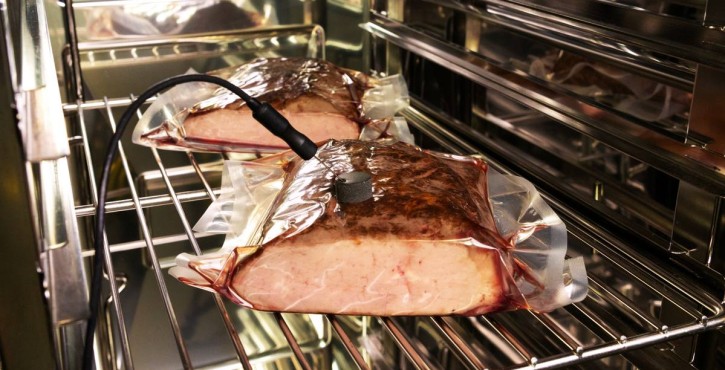
“Preserving food is not a step backwards; it opens up numerous opportunities, both economically and ecologically, as well as culinarily,“ says Simon Lohse, at RATIONAL. "For example, stocks or sauces can be produced in large quantities in advance using pasteurisation. This takes the pressure off the kitchen team and allows them to respond flexibly to fluctuating guest numbers." The sous-vide method is ideal for cooking meat or seafood: the food is vacuum-packed, cooked at a constant temperature, then stored refrigerated and reheated as required. Both methods preserve flavour and nutrients while reducing the number of dangerous microorganisms, thus increasing food safety and shelf life. At the same time, demand-driven production ensures that less food is thrown away.
News – 2025-12-17
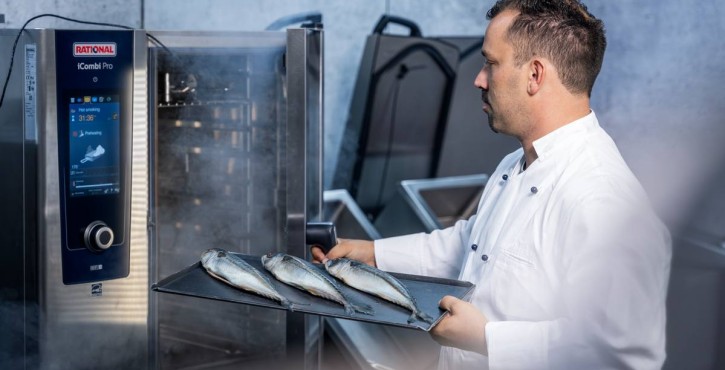
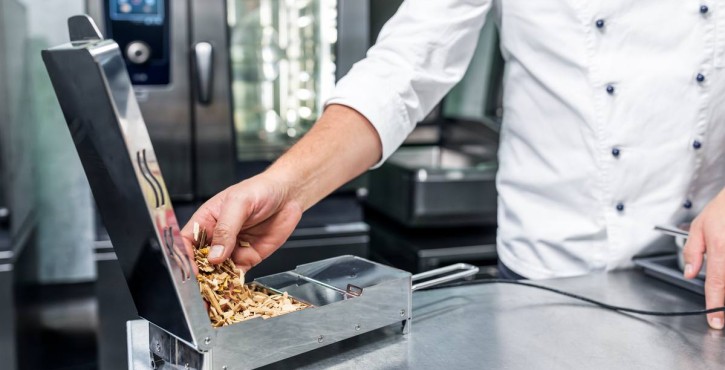
What was once primarily practised in the food industry or out of necessity can now be used as a strategic tool in professional kitchens: food preservation. Techniques such as drying, smoking and pasteurisation help kitchens to respond to fluctuating guest numbers, conserve resources and maintain culinary quality. The iCombi Pro from RATIONAL controls heat and humidity intelligently and precisely, combining the entire range of applications in one cooking system.