– Robin Rehfeldt, Statista.
Solutions for 2026: An Analysis of the Challenges Facing Modern Professional Kitchens.
Global foodservice insights meet your practical needs: Get your free survey now and request a customized kitchen concept.
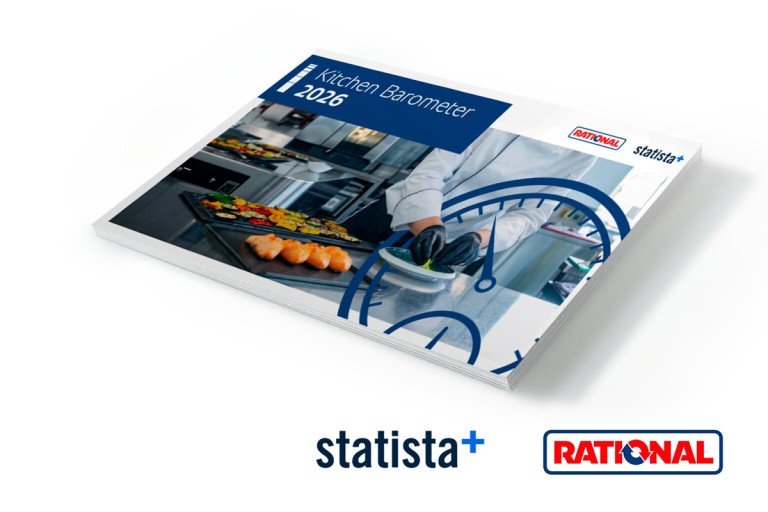
Restaurant and hotel kitchens are under enormous pressure: Staff shortages, rising costs, and volatile supply chains make day-to-day operations difficult, while guests expect the highest quality. Growing challenges require well-informed decisions—the Kitchen Barometer provides valuable background information to help with this.
Five topics in focus: what moves kitchens today.
Sustainability, labor shortage, operational costs, digitalization and quality assurance.
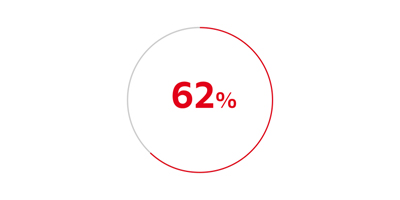
notice that guests are placing more and more importance on sustainability. 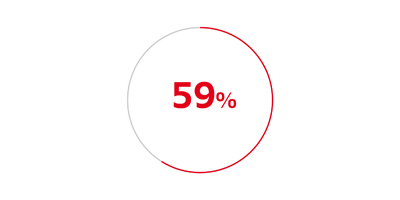
see skilled staff availability as the biggest challenge. 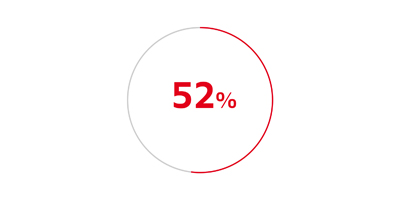
report significantly increased energy costs. 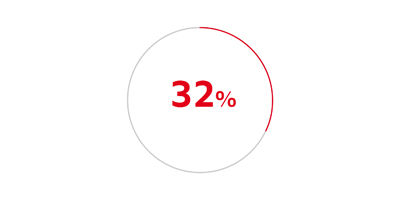
are already using digital HACCP documentation. 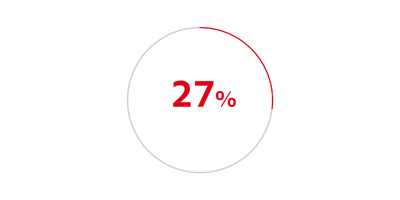
notice the skilled worker shortage reducing the quality and consistency of food preparation.
What the experts say.
Reliable data instead of gut feelings.


Read the study online or download it.
FAQs.
What is the 2026 Kitchen Barometer?
The 2026 Kitchen Barometer is a data-based study by RATIONAL in collaboration with Statista on the situations and challenges restaurant and hotel kitchens currently face; in particular, it focuses on costs, sustainability, skilled staff shortages, quality assurance, and digitization.
Who did they survey, and what‘s the sample size?
The study surveyed 250 decision-makers at restaurant and hotel kitchens in five markets (Germany, France, Japan, United Kingdom, United States).
What topics does the 2026 Kitchen Barometer cover?
The study evaluates five subject areas: operating costs, sustainability, skilled staff shortages, quality assurance, and digitization.
What external factors will have the biggest impact on the catering industry in the next 12 months?
Rising energy prices (67%) were cited most frequently, followed by inflation or general price increases (63%) and then the lack of skilled workers (59%).
What costs have increased the most in the catering industry over the past year?
Globally, respondents most frequently report sharply increased costs in food/commodities (56%) and energy (52%); many also mention packaging/logistics (50%) and personnel costs (44%).
What role does sustainability play in professional kitchens?
67% of respondents consider sustainability central or important. Moreover, 62% report increased customer demand for sustainable products and processing.
Which sustainability measures are most widespread in the catering industry?
Among kitchens making sustainability a priority, 87% are focusing on reducing food waste. 84% have an eye on disposal/recycling, and 83% are emphasizing regional/seasonal products.
How much is the skilled worker shortage affecting kitchen operations?
64% of kitchen operators report that the skilled staff shortage has had a significant impact in the last 12 months. The most common effects include higher workloads (57%) and longer customer wait times (39%).
What, specifically, are food service companies doing to combat staff shortages?
Employee retention measures were the most frequent response (50%). Other approaches include optimizing kitchen logistics/layout (34%) and recruiting efforts (32%).
How do kitchens ensure quality despite volatility and staff shortages?
The most frequently cited measures were quality checklists/internal audits (61%) and central training courses (61%). Additionally, 52% rely on multifunctional/intelligent kitchen technology to standardize processes.
How digital are restaurant and hotel kitchens today?
Nearly all respondents (98%) are using digital systems in some form, but only 35% are fully networked, while 46% are partially networked and 17% work mainly with individual solutions.
Which digital applications are most common in kitchens?
Respondents frequently mentioned digital ordering & POS systems (48%), digital shift/personnel planning (43%), kitchen management/production control (34%), and digital recipe standardization (34%).
Where do users think digital solutions offer the greatest benefit?
86% of digital solutions users reported substantial benefits in kitchen management/production control; 85% reported benefitting from automated inventory/warehouse management.
What do kitchens want to invest in over the next 12 months?
The most commonly cited planned investments: modernizing kitchen technology (78%), training and development (77%), additional food safety measures (76%), and energy-efficient equipment (75%).
Kitchen appliances for catering and commercial kitchens.
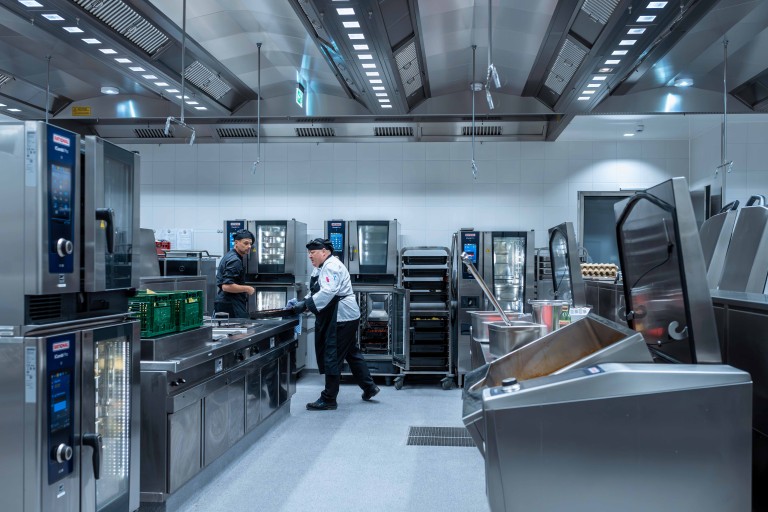
You don't need lots of appliances to equip a professional kitchen in the catering industry. RATIONAL offers appliances that combine several conventional commercial kitchen appliances. For example, the iCombi Pro combi steamer and the iVario Pro multifunctional cooking system can together cover up to 90% of conventional cooking applications, depending on the kitchen concept and operational requirements. Combined with the ConnectedCooking digital kitchen management system, kitchen processes can be managed and monitored digitally.