Many unique challenges.
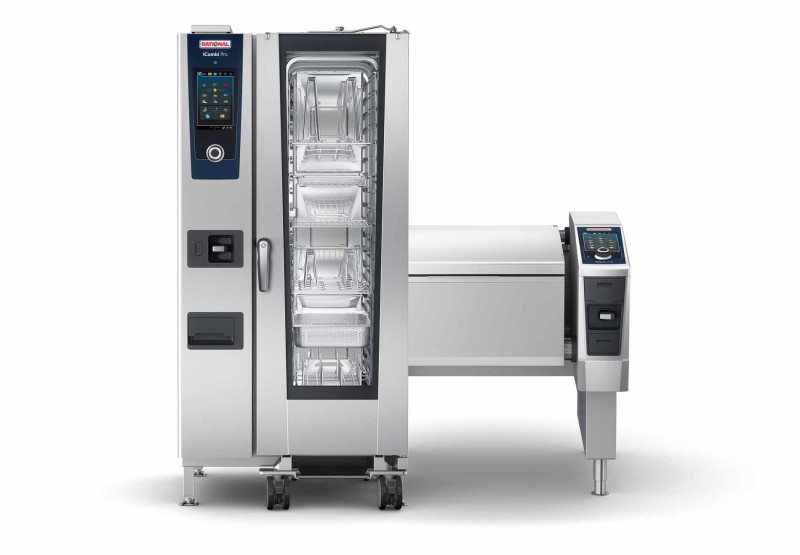
Two thousand guests, 900 crew members - not an uncommon sight on cruise ships. Up to 1,000 people working on an offshore oil rig. A small, sophisticated group on a yacht. A handful of researchers on an expedition vessel. Different people, different nationalities, different tastes. But they all want to be able to eat 24 hours a day. Hot, cold, meat, fish, savory, sweet. No matter the weather. Which means the galley equipment has to be flexible and durable enough to keep up. And produce food intelligently. With a system that learns, plans ahead, remembers everything, and doesn’t get seasick. One that does a lot, but takes up very little space. Like the iCombi Pro and the iVario Pro.
Morning, noon, evening. Buffets, bar food, midnight snacks, staff meals. Maybe some refreshments in between? Cake? Pizza? Galley work never stops, and nothing less than perfection will suffice. Which is what makes organized, effective mise en place so important. With cooking systems that take routine jobs off your hands, producing the same quality results over and over again, working intelligently thanks to iCookingSuite. Like the iVario Pro - for pasta, stews, and puddings, just to name a few. With extraordinary precision: no burning, no boiling over. Or the iCombi Pro for casseroles, roasts, and vegetables.
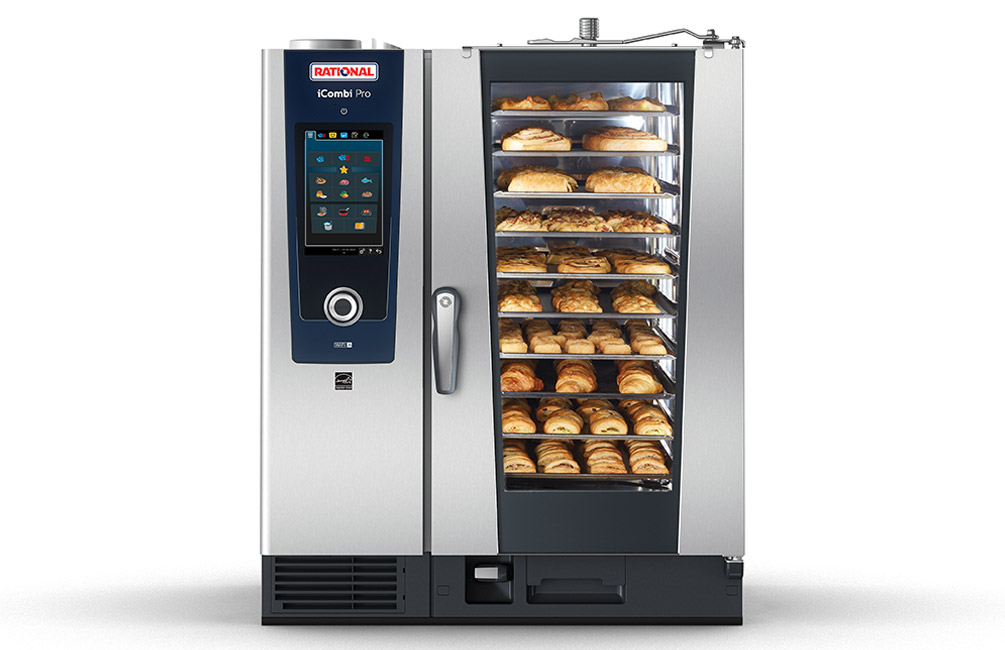
Hot? Cold? Hearty? Diet-friendly? Whatever your guests’ preference, a great breakfast makes a big impression. Now all you have to do is stock the buffet with exactly the right amount of fresh, crisp food that’s the perfect consistency, ideally for several hours. Sound complicated? It’s never been easier. You can do pancakes, French toast, and bacon at the same time in the iCombi Pro. Or hash browns and grilled tomatoes. Or an assortment of baked goods. iProductionManager will tell you which foods can be cooked together, manage your production processes, and only alert you when something needs to be loaded or unloaded.
Shopping carts
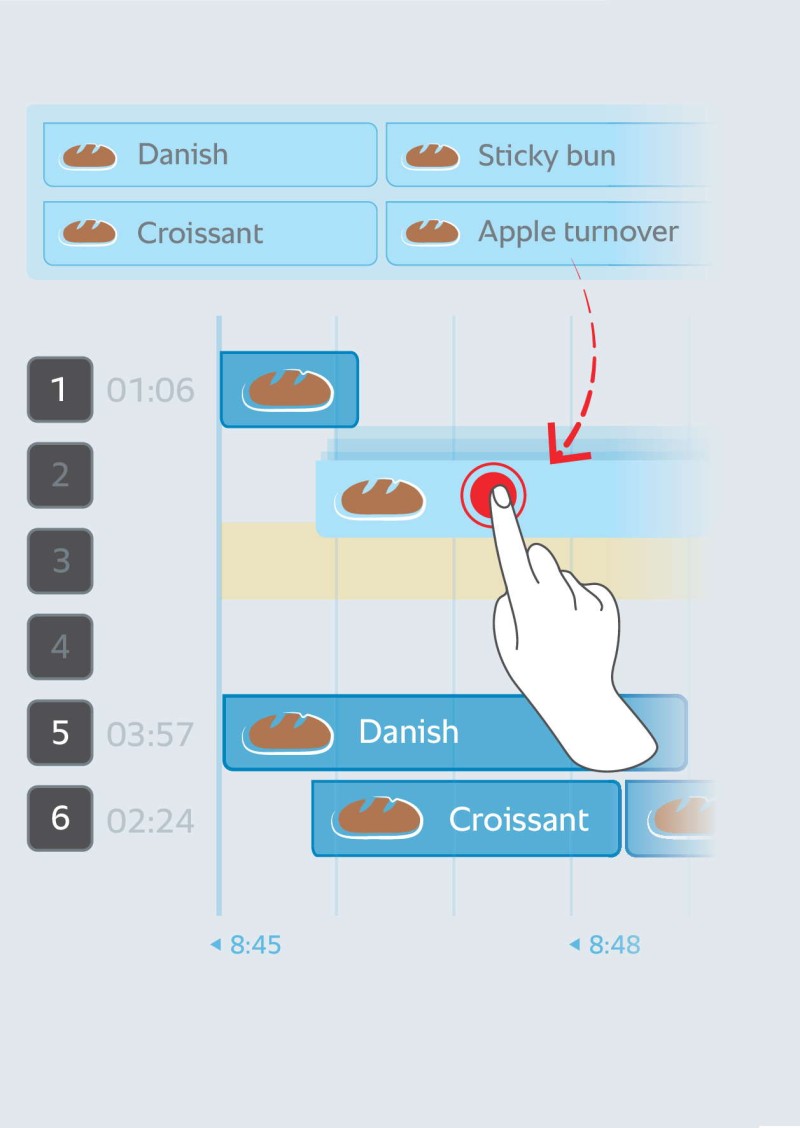
The iCombi Pro helps you turn out the same great results over and over. No stress, no additional staff. It uses preset “shopping carts”, which contain the dishes in your food concept that can be cooked at the same time. When you’re ready to produce, pick the shopping cart you need (Breakfast, for example), tap the display, assign dishes to different levels, load the iCombi Pro and you’re all set.
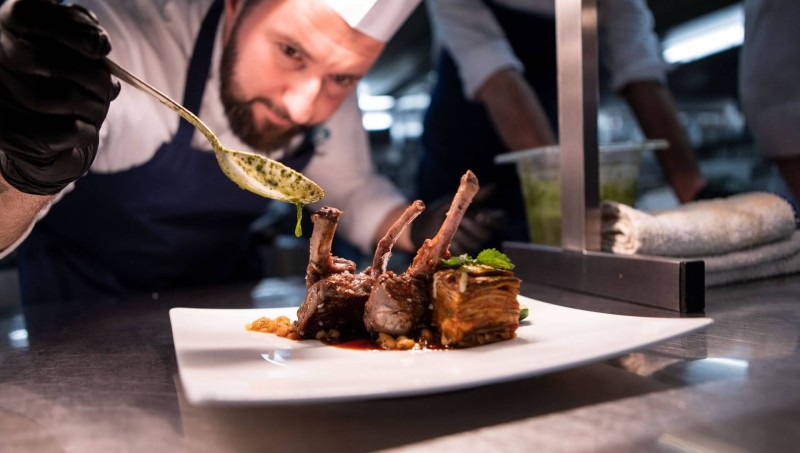
À-la-carte operations face a long list of challenges: food has to be good, it has to be varied, it has to be ready right on schedule. Which means your processes have to be well-organized, and you need to be flexible. By separating production and service completely, for example. While still guaranteeing great-quality results. Using the iVario Pro’s sous-vide function. Or Finishing in the iCombi Pro: plate food cold, store it chilled, and then bring it up to temperature when an order comes in. While at the same time using the iVario Pro to cook steaks to order.
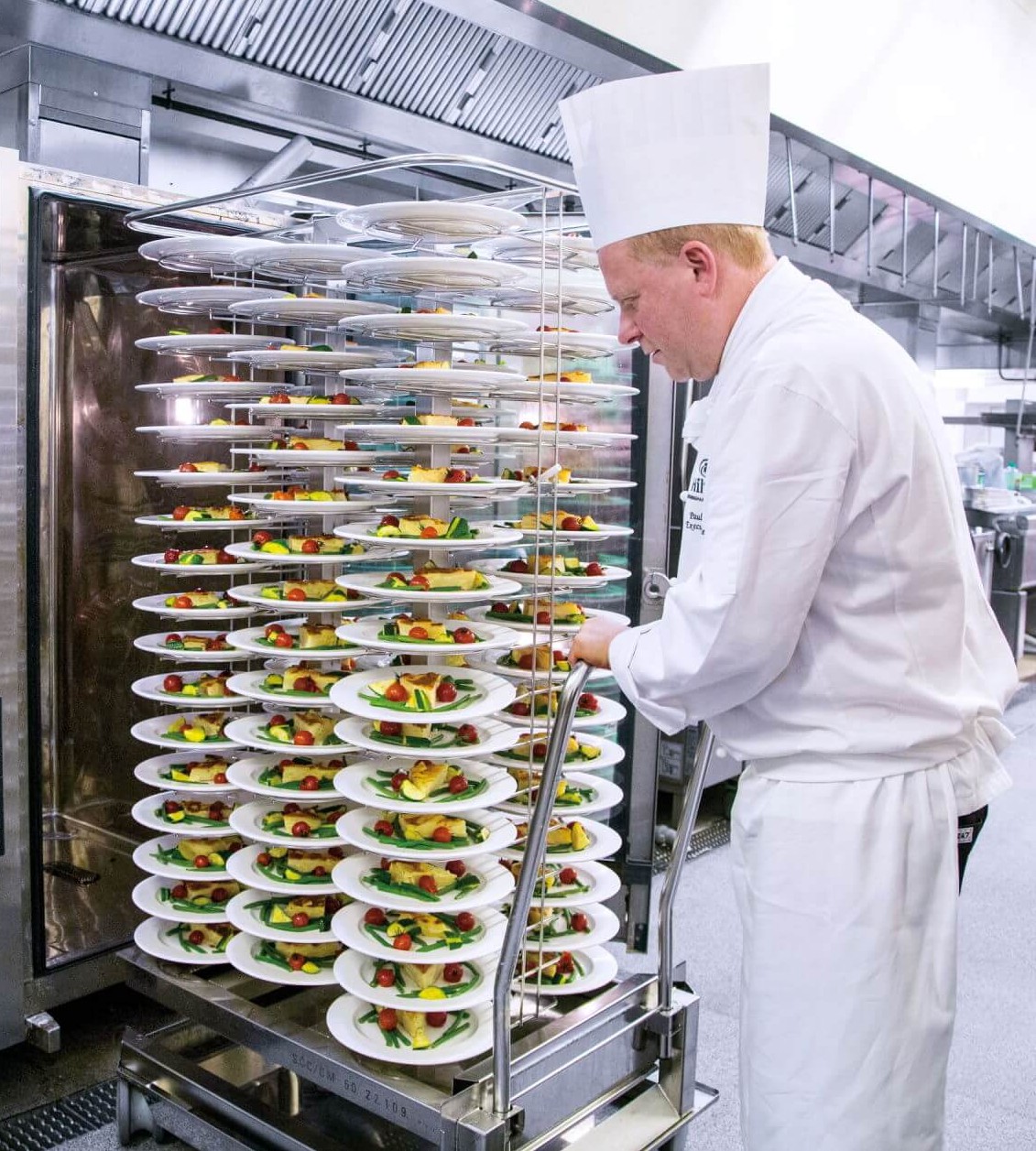
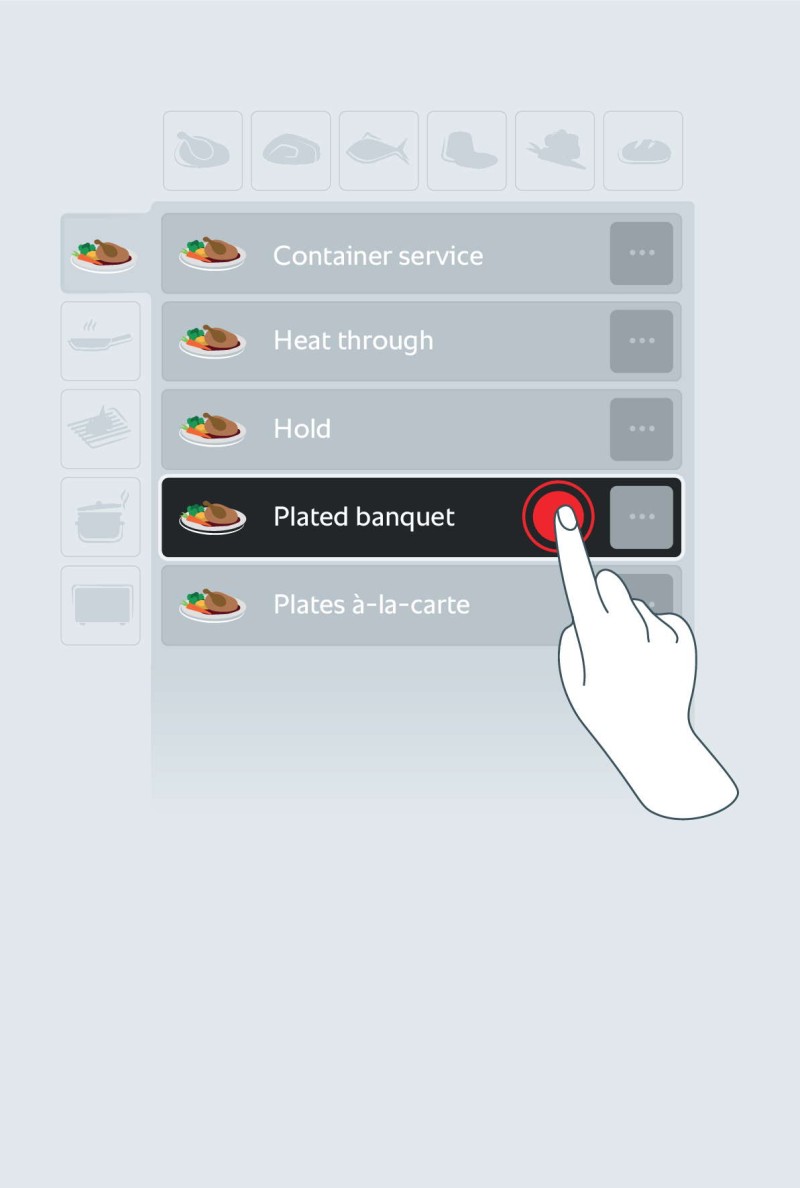
Four hundred guests, three different multi-course meals, all served at the same time. Thanks to Finishing. Prepare your food in advance and with less stress using the cook-and-chill process, and be ready in time for any event. Plate the food cold and store it chilled. And then go about your regular working day. Shortly before the food needs to be served, use Finishing in the iCombi Pro to bring each plate up to the perfect temperature. What if you’re serving a thousand meals, or five thousand? Doesn't matter - you’ll always get the same great quality results, exactly to the standards you’ve defined. Because the iCombi Pro automatically regulates everything, only notifying you when it’s time to load or unload your food.
Photo: Hilton, Birmingham
Let us help you get an idea of the savings you could enjoy by installing one or more iCombi Pro and iVario Pro units. For one, you’ll save a whole lot of space thanks to all that equipment you won’t need anymore - you’ll accomplish more in a galley that could be 60% smaller. For another, you’ll save on investment costs: the two cooking systems can cover up to 90% of all commonly used cooking applications, which makes some equipment unnecessary. And then there’s the environmental savings. The cooking systems use less energy, which means more sustainable production. And you’ll also reduce your overproduction, use less fat and oil, cut your working time, and save space. Which adds up to major pluses for the environment as well as your bottom line.