Restaurants are rethinking how they package food, and single use plastic is steadily losing out to more sustainable options. Across the United States, the familiar clamshell or foam cup is giving way to paper, compostable fiber, and even reusable containers. The reasons are clear: sustainability goals, evolving policies, and growing demand from guests.
Cook RATIONAL – 2025-09-05
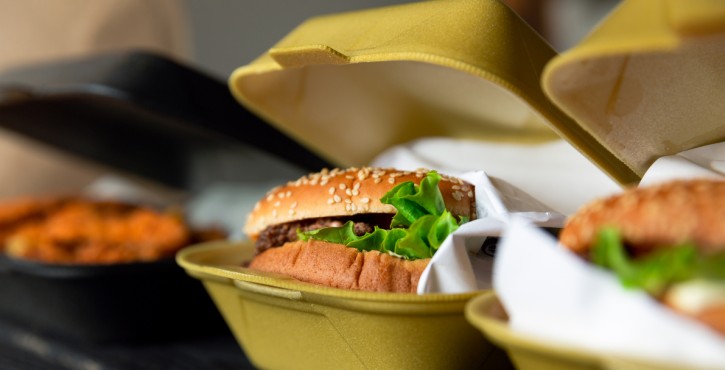
Policy changes are adding momentum. As of May 2025, 12 states and two territories have enacted bans on polystyrene foam food containers, with Virginia set to phase in restrictions through 2026. These regulations are pushing restaurants to try compostables and reusables—materials that are not only becoming more widely available but increasingly cost-effective.
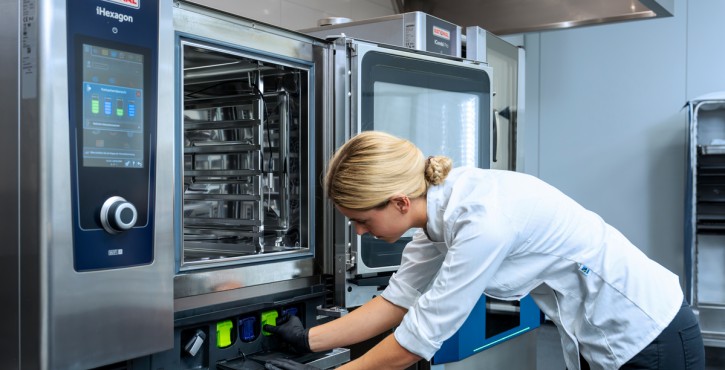
Restaurants that consider sustainability, make thoughtful packaging choices, and reduce their reliance on single use plastic are not just responding to a trend—they are aligning with customer expectations, reducing costs, and preparing for the future. Together with RATIONAL’s energy- and water-saving technologies, these steps illuminate a practical path toward sustainability across the foodservice industry.